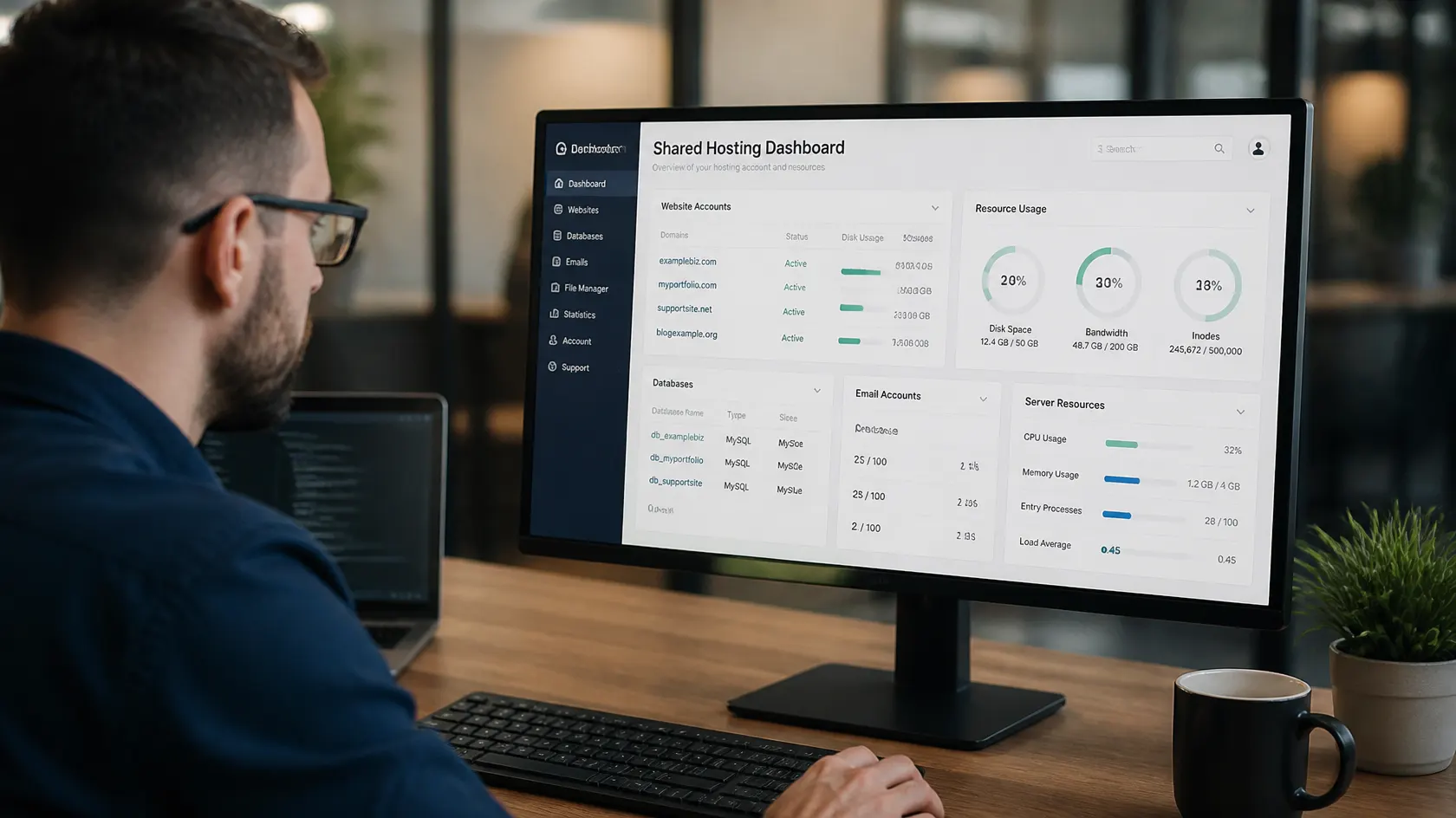

Website infrastructure planning is an essential part of building a successful online presence. A well-structured website requires reliable hosting, sufficient server resources, and an organized technical foundation. Without proper preparation, businesses may experience performance problems, limited functionality, and difficulties accommodating increasing website traffic.
Effective Website Planning helps businesses prepare their digital platforms for Long Term Growth. Infrastructure decisions should consider future operational requirements, user expectations, and factors such as gaming community influence that can shape online engagement. By establishing clear objectives and selecting appropriate technologies, businesses can create websites that remain reliable as their needs evolve.
Understanding Website Planning
Website planning involves identifying technical requirements, organizing resources, and determining the infrastructure needed to support online operations. This process helps businesses establish a clear development direction while avoiding unnecessary technical expenses.
Key Elements of Website Infrastructure
Website infrastructure consists of hosting services, servers, databases, network connections, and website applications. Each component contributes to website accessibility, functionality, and performance while providing a strong foundation to support Long Term Growth as business needs and website traffic continue to increase.
Businesses should ensure that these elements work together efficiently. Proper infrastructure organization can reduce technical complications and create a more dependable website environment.
Identifying Current and Future Website Needs
Understanding website requirements begins with evaluating current traffic, storage capacity, website features, and expected user activity. These factors help determine the resources necessary for smooth operations.
Businesses should also anticipate future developments, including additional services, increasing visitors, and more complex applications. Planning ahead makes it easier to accommodate changes without major infrastructure replacements.
Setting Long Term Growth Goals
Establishing clear growth goals helps businesses make better infrastructure decisions. Objectives may include improving website speed, increasing traffic capacity, expanding functionality, and strengthening security.
These goals provide direction for selecting appropriate technologies and allocating resources. Regular evaluations also help determine whether existing infrastructure continues to support business development.
Building a Strong Infrastructure Foundation
A strong infrastructure foundation allows websites to operate consistently while supporting future improvements. Businesses should prioritize reliable hosting, appropriate server capacity, and efficient resource management.
Choosing the Right Hosting Environment
Hosting services determine how website files are stored and accessed online. Common options include shared hosting, virtual private servers, dedicated servers, and cloud hosting.
Each solution offers different levels of performance, flexibility, and control. Businesses should compare available resources, security features, and upgrade options before selecting a hosting environment.
Planning Server Capacity and Resources
Server capacity determines how effectively a website processes requests and handles visitor activity. Important resources include CPU performance, RAM, storage, and bandwidth.
Businesses should estimate their resource requirements based on expected traffic and website functionality. Providing additional capacity can help prevent performance problems during periods of increased activity.
Supporting Website Performance and Scalability
Website performance depends on efficient databases, optimized applications, caching, and reliable network connections. These elements help reduce loading times and improve visitor experiences.
Scalable infrastructure allows businesses to increase resources when demand grows. Cloud hosting and load balancing can support this process by distributing workloads more efficiently.
Preparing Infrastructure for Future Growth
Infrastructure planning should consider changing technologies and increasing operational requirements. Businesses that regularly evaluate their technical resources can maintain website performance while preparing for expansion.
Adapting to Increasing Website Traffic
Higher website traffic can increase server workloads and affect response times. Implementing caching systems, content delivery networks, and load balancing can help distribute incoming requests.
Regular performance testing also helps identify potential limitations before they affect visitors. These strategies are particularly useful for websites experiencing growing online engagement.
Managing Infrastructure Costs Effectively
Infrastructure expenses may include hosting subscriptions, maintenance, security services, and additional storage. Businesses should monitor these costs to ensure resources remain within their budgets.
Choosing scalable services and removing unnecessary resources can improve financial efficiency. Regular cost evaluations also help prevent excessive spending on unused infrastructure.
Reviewing and Updating Infrastructure Plans
Infrastructure plans should be reviewed regularly to identify outdated technologies, performance limitations, and emerging requirements.
Businesses should evaluate server performance, website analytics, and security conditions when making improvements. Consistent reviews help ensure that infrastructure remains suitable for changing operational demands.

Start Planning Your Website Growth Today
Successful website development requires more than attractive designs and useful content. Proper infrastructure planning provides the technical foundation needed for reliable performance and sustainable expansion.
By evaluating hosting environments, server capacity, operational costs, and future requirements, businesses can prepare their websites for continuous improvement. A structured approach to website planning also reduces technical risks and supports long-term digital success.