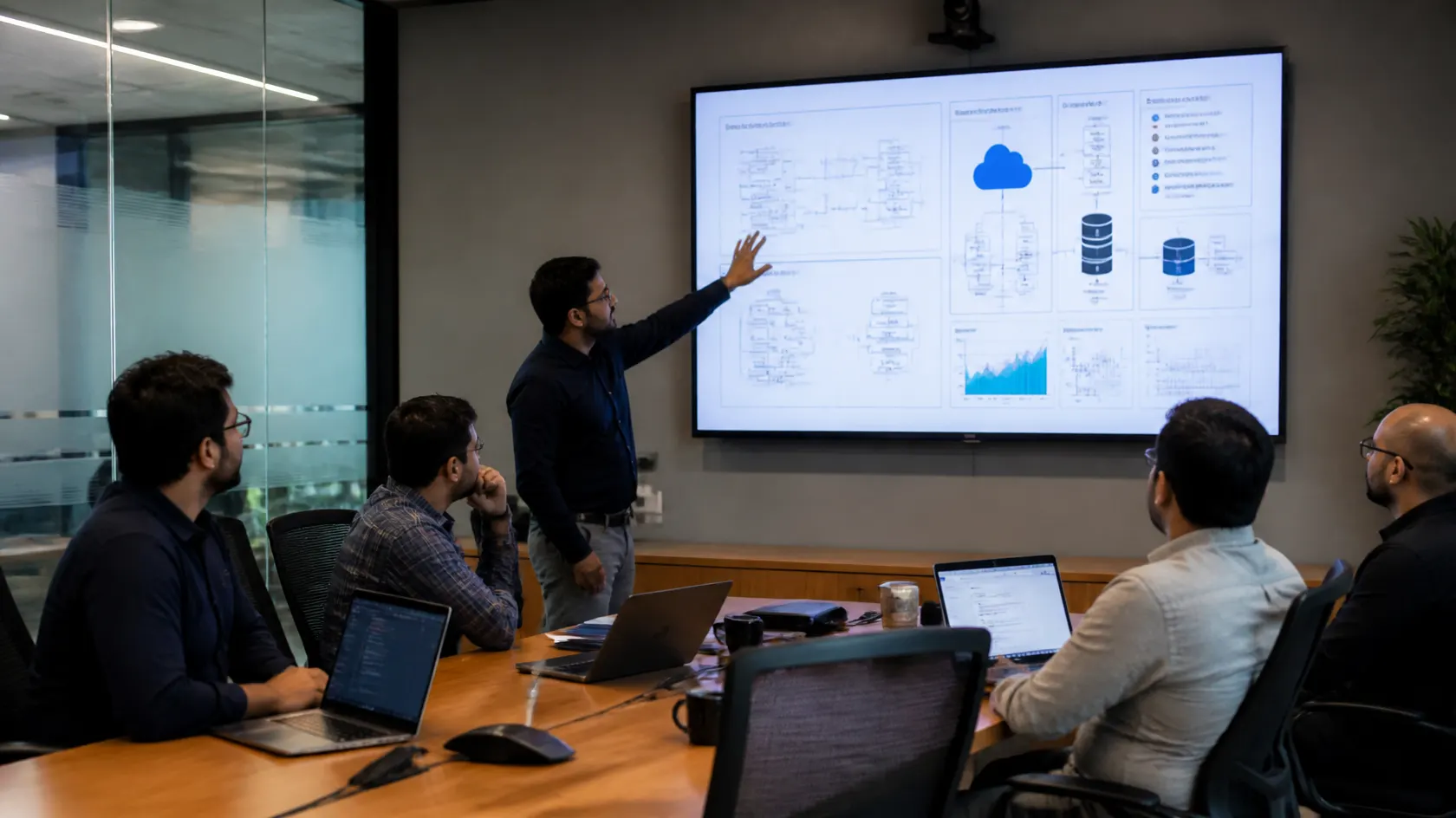

Servers play an important role in maintaining website accessibility, processing user requests, and supporting online applications. When server systems experience technical problems, websites may become slow, unstable, or temporarily unavailable. Businesses therefore need effective maintenance procedures to ensure their digital platforms operate consistently.
Server Management is essential for maintaining a Reliable Server environment that supports website performance and operational stability. Proper monitoring, regular maintenance, and security improvements help businesses manage technical challenges more effectively. Similar principles apply to digital platforms where effective player communication in games depends on responsive systems and dependable network connections.
Understanding Server Management
Server management involves configuring, monitoring, maintaining, and securing the systems responsible for website operations. These activities help administrators maintain stable services while ensuring that server resources are used efficiently.
The Role of Servers in Website Operations
Servers receive requests from website visitors, process information, and deliver content through internet connections. They also support databases, applications, and other essential website functions.
When servers operate efficiently, visitors can access website features without unnecessary delays. Reliable server performance is therefore important for maintaining user satisfaction and business productivity.
Common Server Management Challenges
Server administrators often encounter problems involving limited storage, high resource consumption, outdated software, and unexpected traffic increases. Configuration errors and security vulnerabilities can also affect system stability.
These challenges require continuous monitoring and appropriate maintenance procedures. Identifying potential problems early can prevent minor technical issues from becoming major disruptions.
Factors That Affect Server Reliability
Server reliability depends on hardware quality, network connectivity, software configuration, security protection, and maintenance practices.
Insufficient resources and unstable network connections may reduce website performance. Businesses should also consider power interruptions, hardware failures, and environmental conditions when managing physical server infrastructure.
Improving Server Performance and Stability
Maintaining server performance requires consistent monitoring and efficient resource allocation. Businesses should establish procedures that help administrators identify inefficiencies and maintain stable operations.
Monitoring Server Resources
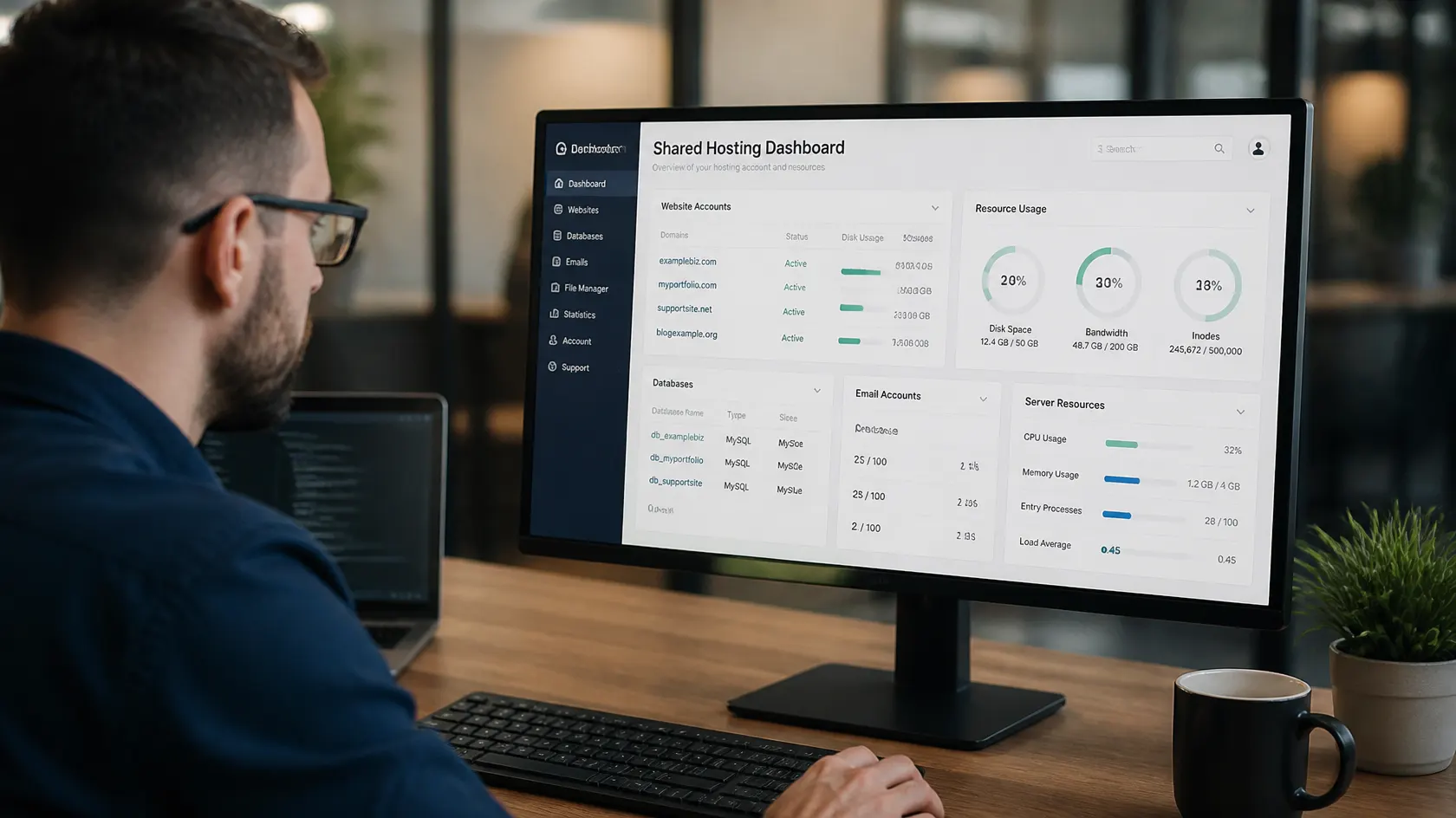
Server monitoring tools provide information about CPU usage, memory consumption, storage capacity, and network activity. These measurements help administrators understand how servers respond to different workloads.
Regular monitoring makes it easier to identify unusual activity and resource limitations. Administrators can use this information to determine when additional capacity or technical adjustments are necessary.
Maintaining Reliable Server Operations
Reliable server operations require appropriate configurations, regular inspections, and effective resource management. Administrators should ensure that essential services remain available and server processes operate correctly.
Load balancing and caching can also improve performance by distributing requests and reducing unnecessary processing. These techniques are especially useful for websites experiencing fluctuating visitor activity.
Managing Updates and Server Maintenance
Software updates help improve server functionality, address vulnerabilities, and maintain compatibility with modern applications. Administrators should regularly review operating systems, server software, and installed applications.
Maintenance schedules should include system inspections, configuration reviews, and performance evaluations. Testing important updates before applying them to production environments can reduce unexpected technical problems.
Preventing Server Downtime
Preventing downtime requires preparation, continuous monitoring, and effective recovery procedures. Businesses should develop strategies that protect website operations when technical problems occur.
Identifying Potential Server Issues
Early identification of server problems can reduce operational disruptions. Administrators should monitor unusual resource consumption, repeated connection failures, and unexpected application errors.
Automated alerts can notify technical teams when performance indicators exceed established limits. This allows administrators to investigate potential problems before they significantly affect website availability.
Applying Backup and Recovery Strategies
Regular backups protect important website files, databases, and configurations against accidental deletion, hardware failures, and security incidents.
Businesses should maintain secure backup copies and test restoration procedures periodically. A documented recovery plan helps technical teams restore essential services more efficiently after unexpected incidents.
Strengthening Server Security
Server security protects sensitive information and reduces the risk of unauthorized access. Important practices include strong authentication, firewall configuration, access restrictions, and regular security updates.
Administrators should also review server logs and remove unnecessary services that may introduce vulnerabilities. Combining these measures creates a stronger environment for dependable website operations.

Improve Your Server Reliability Today
Effective server management requires continuous attention to performance, security, and maintenance. Businesses that establish clear monitoring procedures and reliable recovery strategies can reduce downtime while improving website availability.
By investing in appropriate monitoring tools, maintaining updated software, and evaluating server resources, organizations can create more dependable digital environments. Consistent server administration also provides a stronger foundation for future website development.